


How We Celebrate Christmas in France: Traditions, Food, and Festive Magic
Christmas in France - Noël- is a season filled with warmth, family, and centuries-old traditions that vary beautifully from one region to another. While French Christmas shares some similarities with celebrations elsewhere in Europe, it also carries its own unique character: quieter, culinary-centered, deeply cultural, and marked by a series of symbolic rituals. Whether you find yourself wandering through a sparkling Christmas market in Strasbourg or sitting down to an elegant Parisian holiday dinner, you’ll quickly discover that France has its own way of making the season magical.
This article explores how Christmas is celebrated across France - from Advent to Epiphany - highlighting the customs, foods, decorations, and festivities that define the French holiday experience.
Advent: the beginning of the festivities
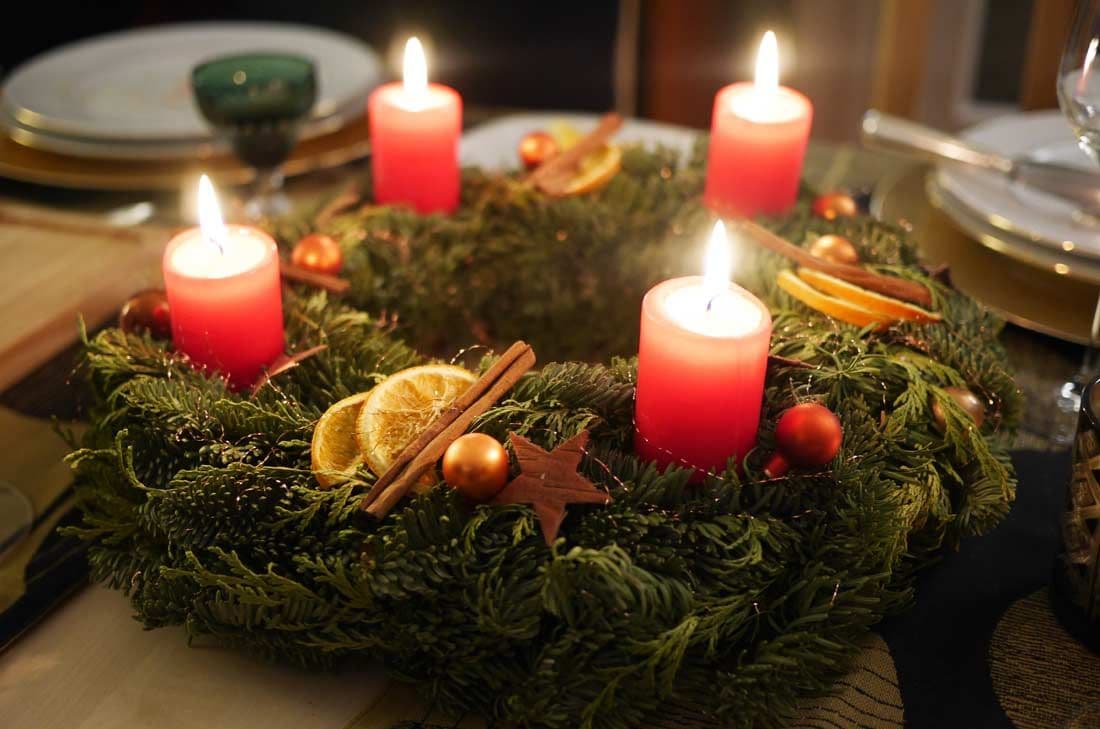
The Christmas season in France unofficially kicks off with Advent, the four-week period preceding Christmas Day. Many families, especially those with children, use les calendriers de l'Avent (Advent calendars) filled with chocolates, small toys, or artisanal surprises. In recent years, luxury and gourmet Advent calendars, offering everything from teas to wines, have become hugely popular.
In some regions, especially in Alsace, it’s also common to set up an Advent wreath, known as la couronne de l’Avent, with four candles representing the four Sundays leading up to Noël. Each Sunday, a candle is lit, often accompanied by a special family meal or gathering.
Christmas markets: where the magic comes alive
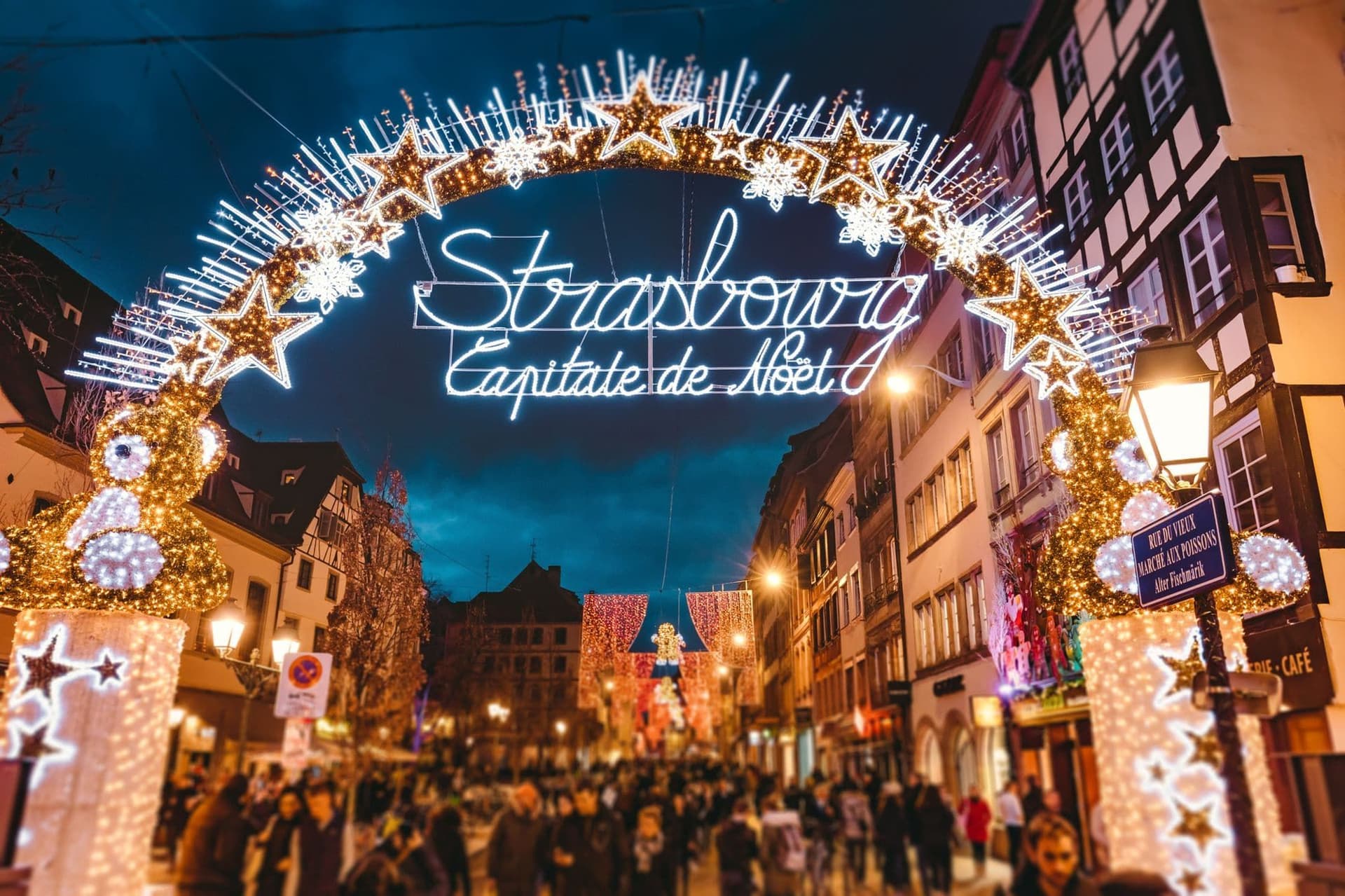
One of the most beloved French Christmas traditions is le marché de Noël, or Christmas market. While these markets can now be found throughout the country, the most iconic remain in Alsace, especially in Strasbourg, which calls itself the “Capital of Christmas.”
These markets typically feature:
-
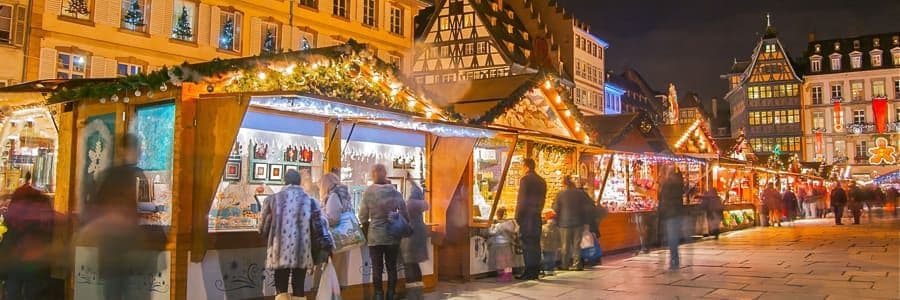
Wooden chalets selling handcrafted gifts
-
Regional specialties like bredele (Alsatian Christmas cookies)
-
Hot drinks, including vin chaud (mulled wine)
-
Decorations, candles, and artisanal foods

Visiting a marché de Noël is a quintessential French holiday experience, offering both nostalgia and festive cheer.
Christmas decorations: subtle, elegant, and meaningful
French Christmas décor tends to be tasteful and understated. Here are some signature elements:
1. The Christmas tree (Le sapin de Noël)
Introduced to France in the 16th century, le sapin de Noël is now a staple in French homes. Many families decorate their tree with:
-
Glass ornaments
-
Ribbons
-
Angels or stars on top
-
Wooden or straw decorations in rural areas
2. The Nativity scene (La Crèche)
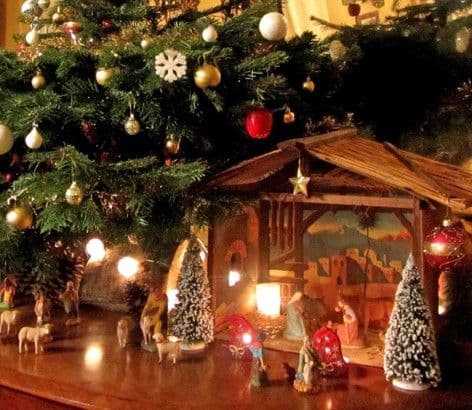
In Provence especially, ** la crèche** is essential. What makes it unique are les santons small hand-painted clay figurines representing not only biblical characters but also everyday villagers: bakers, farmers, seamstresses, and musicians. This transforms the Nativity scene into a lively reflection of Provençal life.
3. Street illumination
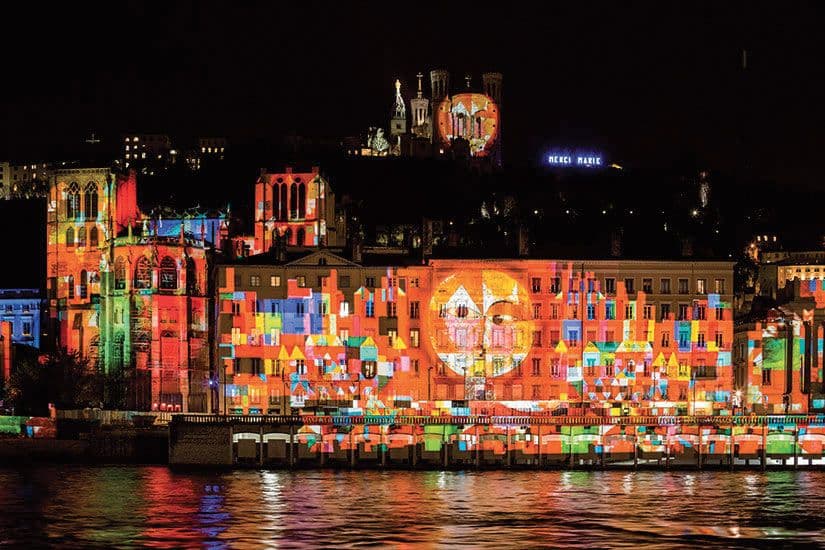
French cities and villages illuminate streets with elegant light displays. Lyon’s Fête des Lumières in early December is one of the most spectacular lighting festivals in Europe.
December 6: Saint Nicholas day in Eastern France
In regions such as Alsace, Lorraine, and parts of northern France, Saint Nicholas Day is celebrated on December 6. Saint Nicholas, accompanied by the fearsome le Père Fouettard (who warns misbehaving children), brings sweets, gingerbread, and tangerines to well-behaved children.
This tradition is less common in the rest of France but remains a cherished regional celebration.
Christmas Eve: The heart of the celebration
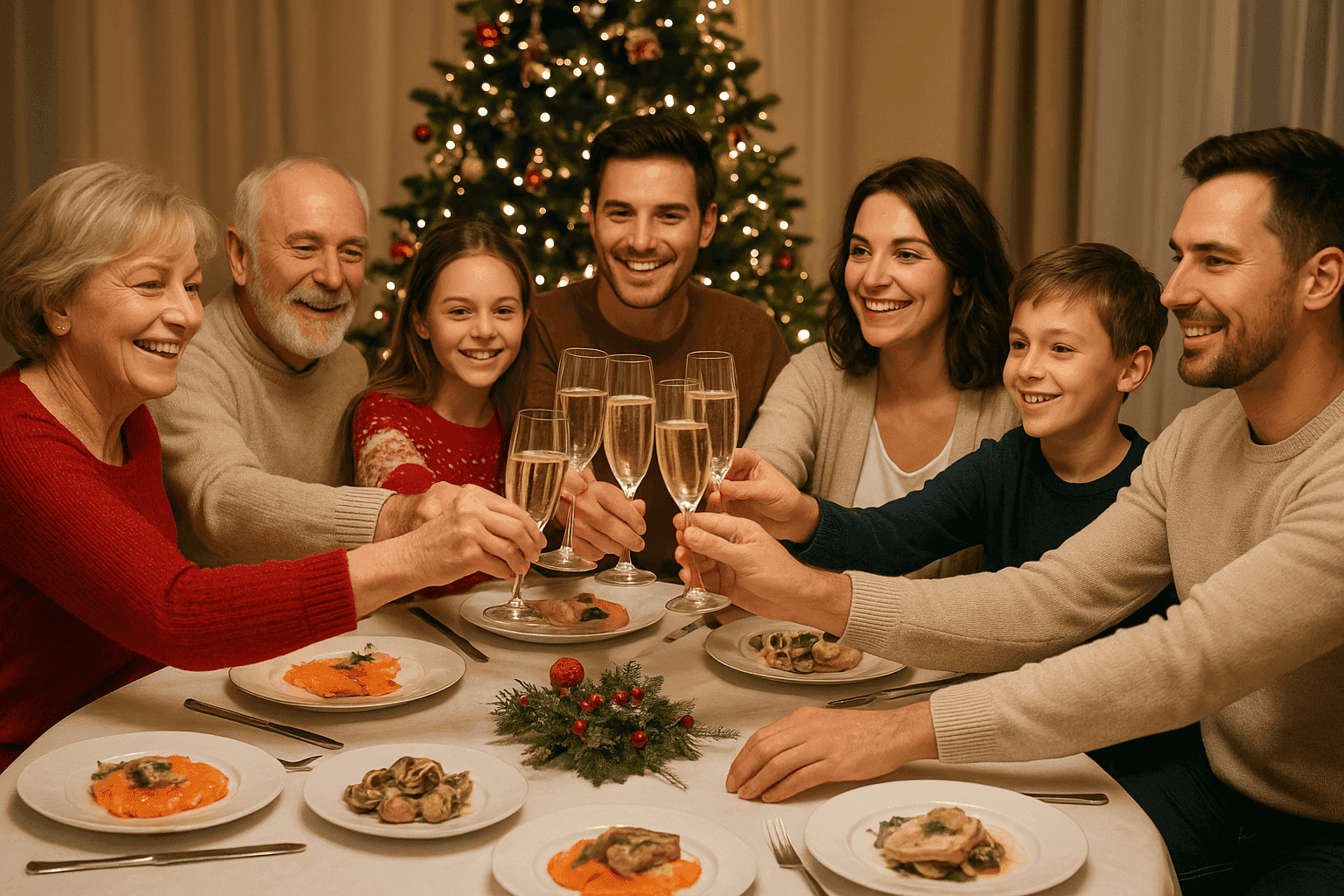
In France, the main holiday celebration often occurs on Christmas Eve the evening of December 24. Families gather for le Réveillon de Noël, a festive and elaborate dinner that can last for hours. The menu varies by region but always includes high-quality, indulgent foods.
Typical French réveillon foods
-
Foie gras served with fig or onion jam
-
Oysters-one of the most popular Christmas delicacies
-
Smoked salmon or seafood platters
-
Escargots in Burgundy (snails)
-
Turkey with chestnuts, or chapon (capon)
-
Coquilles Saint-Jacques (scallops)
Luxury ingredients like lobster, truffles, or champagne may also appear at the feast.
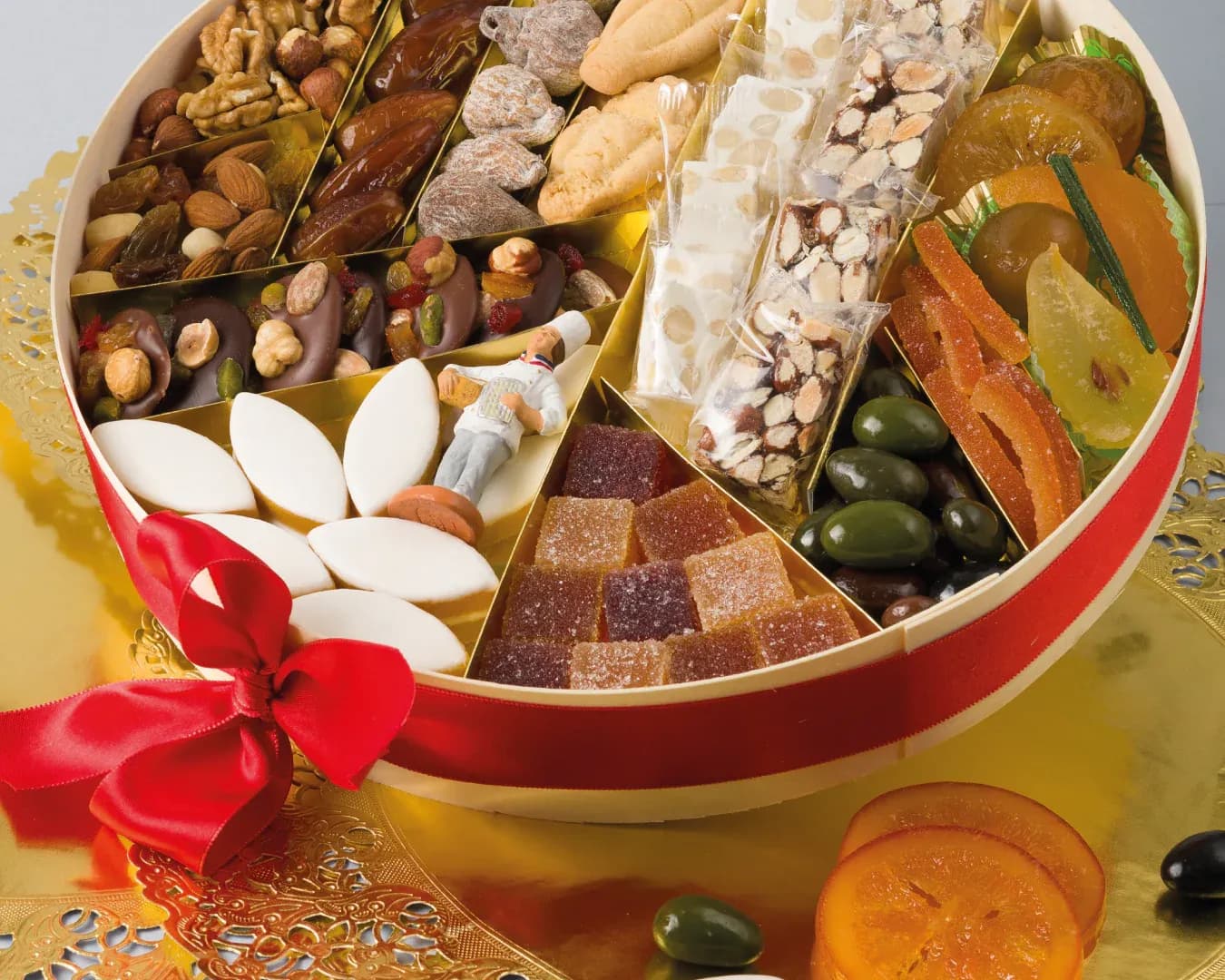
In Provence, there is a special tradition called “Les 13 Desserts”, a symbolic spread of 13 sweets representing Jesus and the 12 apostles. This includes:
-
Dried fruits
-
Nougat
-
Fresh fruits
-
Fougasse bread
-
Calissons
-
Dates and nuts
Midnight mass
In many families, especially in rural areas, attending la Messe de minuit (midnight Mass) is still an important Christmas Eve ritual. After Mass, people may continue the celebration with dessert or a warm drink and opening les cadeaux (presents) under the Christmas tree. Children look forward to discovering what le Père Noël (Father Christmas) has left for them. The children open them either that night or on Christmas morning.
Christmas day: A time for family
Christmas Day itself is typically quieter and more intimate than Christmas Eve. It is often centered around:
-
A long lunch
-
Visiting extended family
-
Playing games
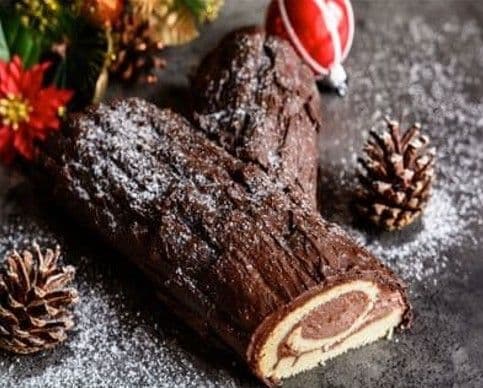
In some regions, the traditional dessert is the la Bûche de Noël, a log-shaped cake made of sponge cake and buttercream, symbolizing the Yule log burned in homes in centuries past. Today, pastry chefs reinvent the classic bûche every year with modern flavors and designs.
December 26: A public holiday… sometimes
In most of France, December 26 is a normal day. However, in Alsace and Moselle - regions influenced by Germanic tradition - it’s a public holiday known as Saint Etienne’s Day.
January 6: Epiphany and the famous Galette des Rois
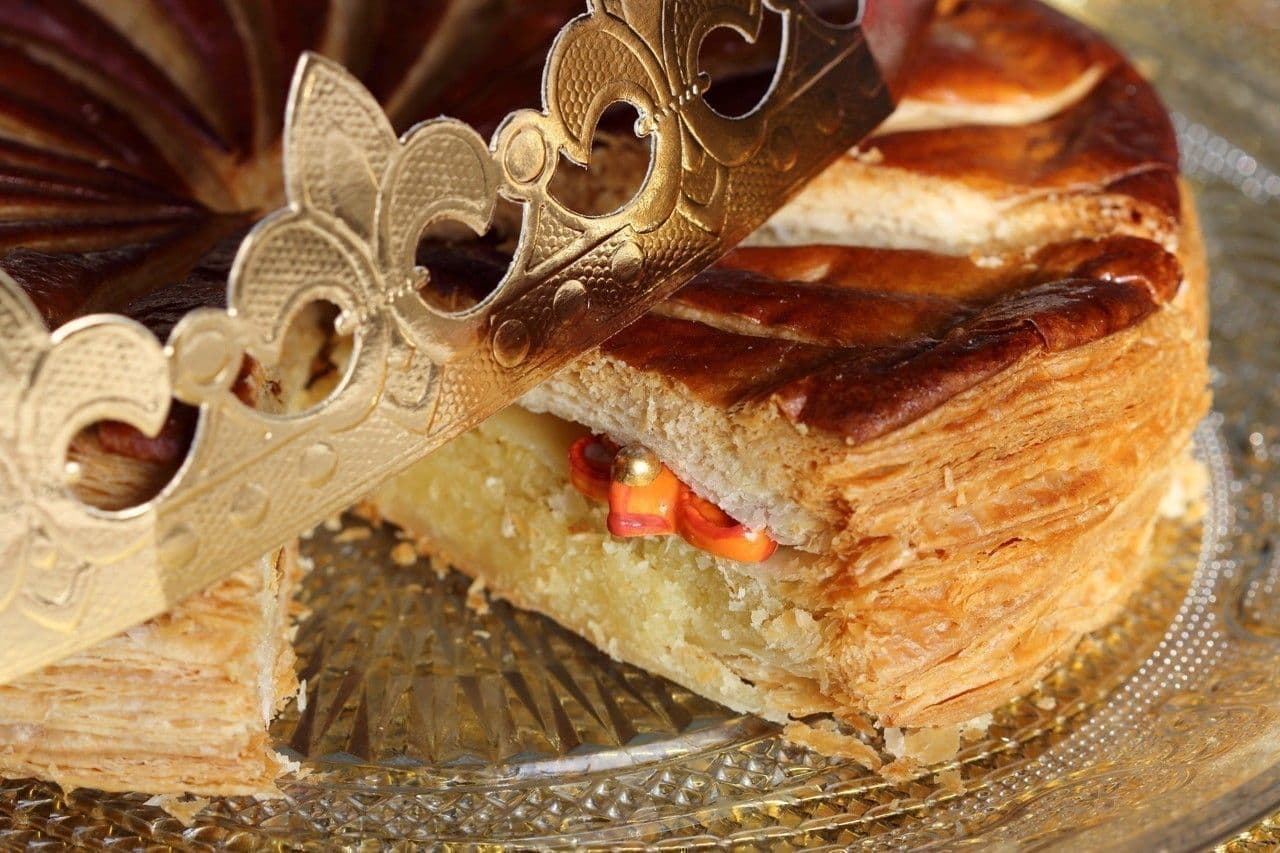
The Christmas season in France doesn’t truly end until Epiphany on January 6. This day is celebrated with the Galette des Rois (“King Cake”), a round puff pastry filled with frangipane (almond cream).
Inside the galette is hidden a small ceramic figurine called a fève. The person who finds the fève in their slice becomes king or queen for the day and wears a paper crown that comes with the cake.
In Provence, a brioche version of the cake, flavored with orange blossom and decorated with candied fruit, is more common.
A celebration rooted in community and culinary art
Christmas in France is a celebration woven from culinary delights, regional traditions, and the joy of being together. It’s not just about gifts or flashy decorations—it’s about sharing long meals, honoring local customs, and finding warmth in family and community.
From the glowing markets of Strasbourg to the quiet nativity scenes of Provence, from the festive Réveillon feasts to the joyful slicing of the Galette des Rois, Christmas in France is a rich, vibrant season filled with history and heart.
If you ever find yourself in France during December, immerse yourself in these traditions. You’ll discover that Noël à la française is not only festive but deeply enchanting.
A journey through time and Christmas traditions
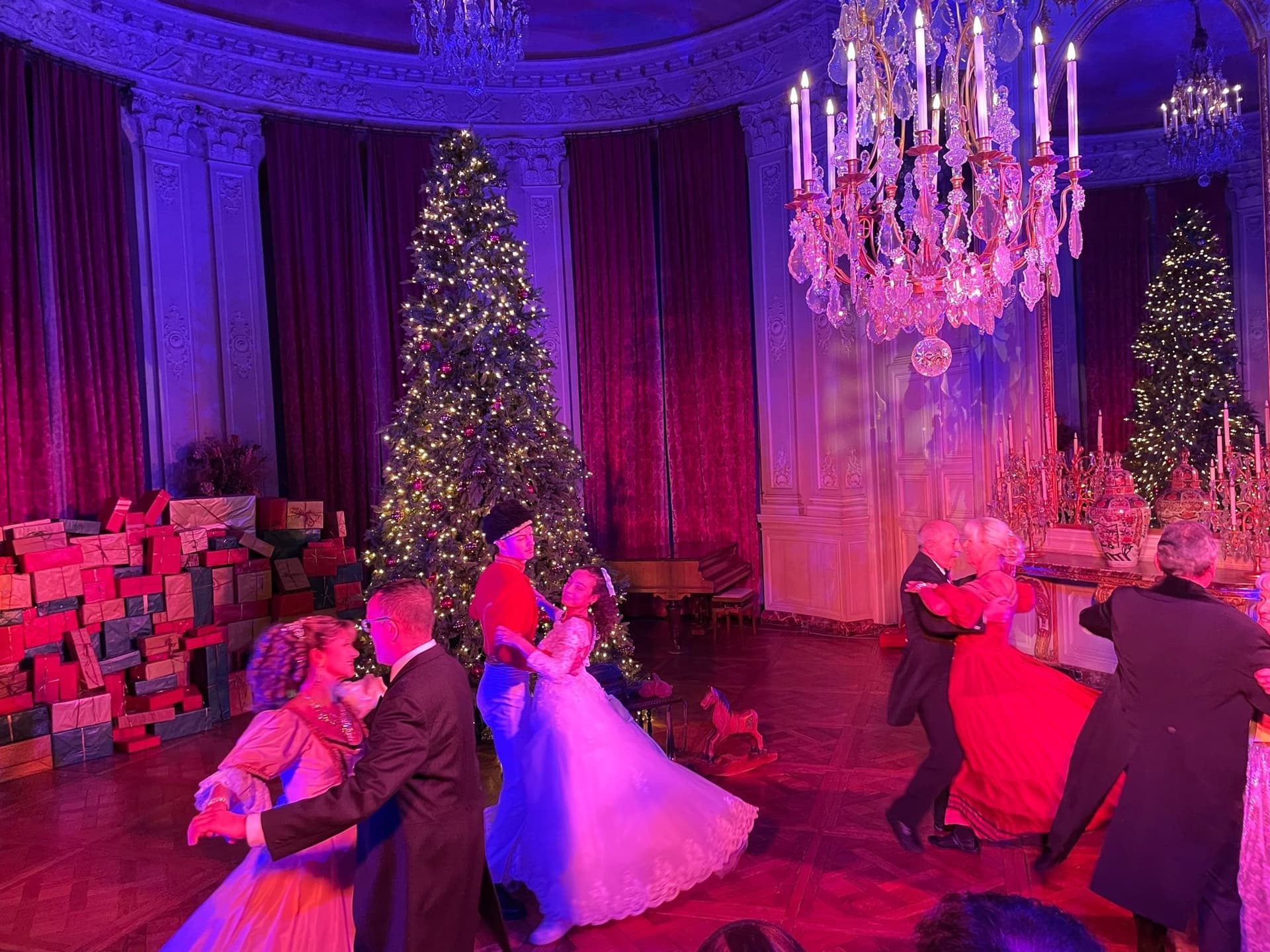
Le Noël des Siècles | Le spectacle immersif invites visitors to travel through multiple eras of French history, discovering how Christmas was celebrated across different centuries. The château becomes a living stage where actors, settings, and decorations bring each historical period to life.
What makes this immersive experience so captivating:
-
Visitors explore the château room by room, encountering historical characters preparing, celebrating, or reflecting on Noël in their own time.
-
Costumes, décor, and lighting shift with each era, creating the impression of moving through a Christmas time machine.
-
Music, storytelling, and carefully staged scenes recreate festive moments from the Belle Époque (Pre-WWI) to les Années Folles (1920's).
The result is a spectacular journey that highlights the evolution of French holiday traditions while offering a magical, emotionally rich experience for families and history lovers alike. Since its launch, Le Noël des Siècles has quickly become one of the most sought-after Christmas events in Île-de-France.
Immersive Christmas Events Across France
Le Noël des Siècles is part of a broader movement across France to reinterpret Christmas through immersive, interactive experiences. Other regions offer:
-
Historical reenactments in castles and abbeys
-
Monumental light shows on heritage sites and cathedrals
-
Illuminated nighttime walks in parks and forests
-
Live storytelling trails for children
These modern spectacles celebrate France’s heritage while giving families new, unforgettable ways to experience the magic of Christmas.